Heat Pump User Tips
Cold-climate heat pumps deliver heat efficiently over an entire heating season and do it best when maintaining a steady temperature. Set your heat pump’s thermostat to a comfortable level, and your older central system’s thermostat lower than your heat pump. Then leave your heat pump alone. Note that the setting on your heat pump may be higher than you’re used to. Every home is a little bit different and you may need to adjust your settings to maximize comfort and savings.
1.
2.

Maximize the heating zone of your heat pump
It’s important to coordinate the thermostats and operation of your heat pump and central system. If your central system has zones, you should turn down, or off, the thermostat for the zone where the heat pump is located. If your central system isn’t zoned or the zone of the heat pump is large, consider closing dampers, registers, or radiators in the room where the heat pump is located. If that strategy leaves a remote part of your home too cold, increase the temperature on the central system thermostat slightly until the remote area reaches a comfortable level.
Temperature Settings
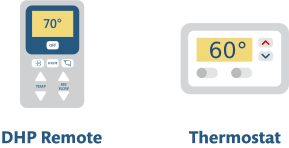
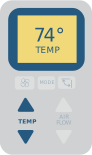
Set your heat pump thermostat
Set your heat pump thermostat to the temperature that makes your home feel most comfortable. Because heat pumps measure temperature at a different height than traditional thermostats, this may be a higher setting than you’re used to.
3.
4.
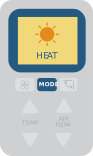
Avoid “auto” mode
Set your heat pump mode to “Heat” in winter and “Cool” in summer. Avoid using “Auto” mode, as this could cause the system to heat on a cool summer night or cool on a sunny winter afternoon.
Minimize changes to the temperature setting
Once you have set your heat pump to a comfortable temperature, we recommend you leave the temperature setting alone. Heat pumps are designed to maintain a steady temperature and may use more energy if you turn it down at night or when you’re away for the day.
5.
Fan Settings and Air Flow
6.
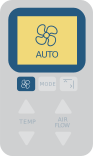
Optimize fan setting
Start off with the fan setting on “Auto Fan.” If that doesn’t spread the heat far enough, set it to the lowest level that will meet your needs. Then adjust the air flow direction for comfort. Generally speaking, warm air is best directed downward. Adjust the vanes to direct air flow where you most need heat.
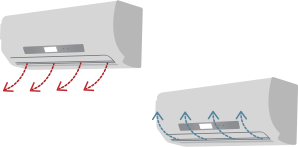
Optimize air flow direction
Optimize the heating and cooling effects of your heat pump by controlling where the fan blows air. Generally speaking, you’re best off directing warm air towards the floor and away from room occupants and direct cool air up or directly at occupants. Experiment to see what works best for you.
7.
Maintenance
8.
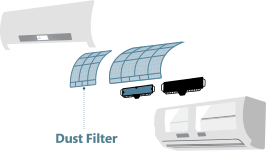
Clean your dust filters
Heat pumps work best when dust filters are clean. Vacuum or rinse and dry the dust filters whenever they become visibly dirty or when the indicator light comes on. The frequency of cleaning can range from weeks to months, depending on use and dust volume.
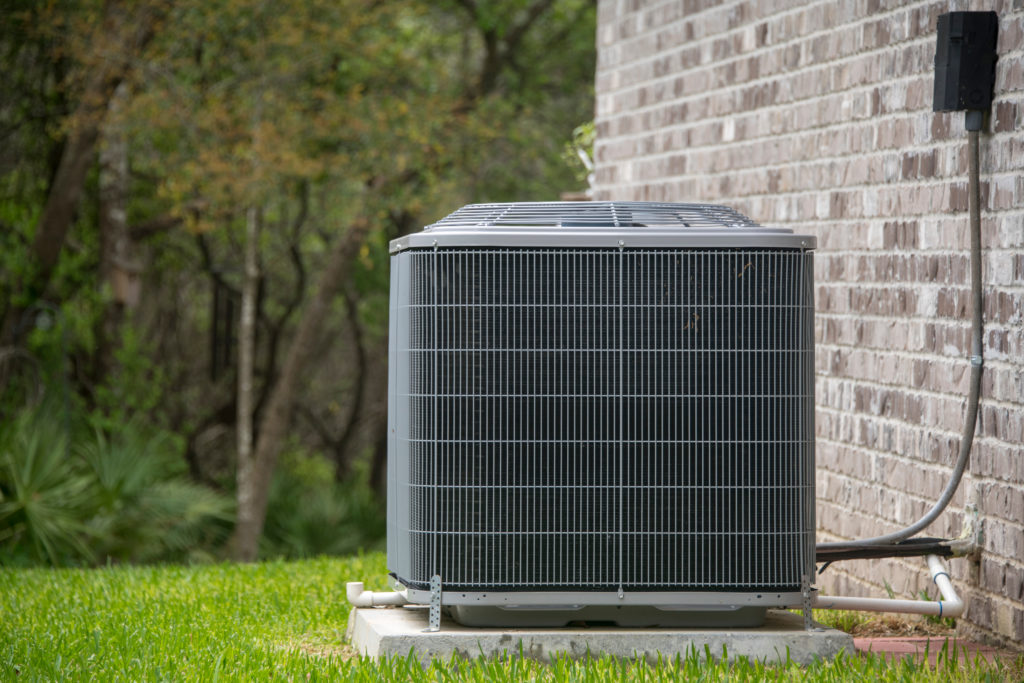
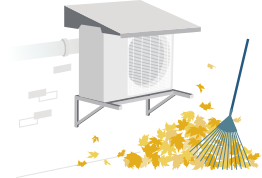
Keep your outdoor unit clear
Check your outdoor unit periodically and clear away snow, plants, leaves or debris that may impede airflow to the unit.
You may need to direct water away from the unit with a rain cover.
9.
10.
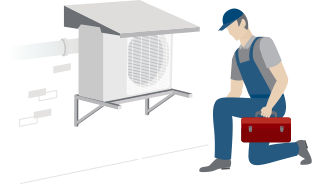
Have your heat pump serviced
Consider manufacturers’ recommendations about hiring a heat pump service professional to clean and service your unit. Regular maintenance can help ensure peak performance.

Enjoy Savings.
While every home is different, a ductless heat pump will reduce overall heating costs if used according to these tips. Customers with an oil boiler can save between $300 and $600 a year.