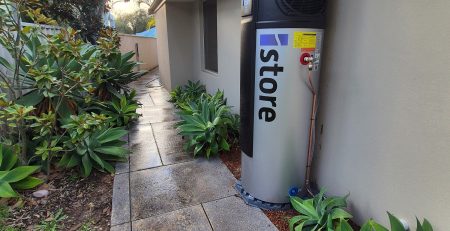
Choosing The Right Heat Pump: A Comprehensive Guide
As energy efficiency and environmental sustainability become increasingly crucial considerations in home heating and cooling systems, heat pumps have emerged as a versatile and eco-friendly option for many households. Whether you’re looking to replace an outdated system or exploring options for a new build, choosing the right heat pump requires careful consideration of several factors to ensure optimal performance, efficiency, and comfort.
Understanding Heat Pumps
Heat pumps are devices that transfer heat energy between indoor and outdoor environments. They can provide both heating and cooling by extracting heat from the air, ground, or water sources and transferring it indoors (for heating) or outdoors (for cooling). This process is efficient because it doesn’t generate heat through combustion but rather moves existing heat from one place to another.
Types of Heat Pumps
Air Source Heat Pumps (ASHP): These are the most common type and work by extracting heat from the outdoor air during winter and transferring it indoors for heating. They can also reverse this process to provide cooling during summer.
Ground Source Heat Pumps (GSHP or Geothermal Heat Pumps): These utilize the relatively constant temperature of the ground or water sources (such as wells or ponds) to provide heating and cooling. They are highly efficient but may require more upfront installation costs.
Hybrid Heat Pumps: These systems combine a heat pump with a conventional furnace, using the heat pump for moderate temperatures and switching to the furnace for extreme cold.
Factors to Consider When Choosing a Heat Pump
Climate and Region: The climate where you live plays a significant role in determining the type and size of heat pump that will work best. Air source heat pumps, for example, are effective in moderate climates but may struggle in extremely cold temperatures without supplemental heating.
Size of Your Home: The size and layout of your home will dictate the capacity of the heat pump needed. A professional assessment by us can determine the optimal size to ensure efficient operation and comfortable indoor temperatures.
Energy Efficiency: Look for heat pumps with high Energy Efficiency Ratings (EER) and Seasonal Energy Efficiency Ratios (SEER) for cooling, as well as Heating Seasonal Performance Factor (HSPF) for heating. Higher ratings indicate better energy efficiency, which can lead to lower utility bills over time.
Installation Considerations: Consider the space available for installation of outdoor units (for air source heat pumps) or the feasibility of drilling for ground source systems. Installation costs can vary significantly depending on the type of heat pump and the complexity of the installation.
Noise Levels: Heat pumps can produce noise, particularly outdoor units. If noise is a concern, look for models designed with quieter operation, or consider the placement of the outdoor unit to minimize noise disturbance.
Maintenance Requirements: Like all HVAC systems, heat pumps require regular maintenance to ensure optimal performance and longevity.
Cost and Return on Investment: Evaluate the upfront costs, including installation and any necessary modifications to your home’s heating system. Balance this against potential energy savings and long-term benefits to determine the overall return on investment (ROI) of your heat pump choice.
Consulting with us
Choosing the right heat pump involves evaluating multiple factors and making informed decisions based on your specific needs and circumstances. Consulting with us can provide valuable insights and recommendations tailored to your home and climate conditions. We can conduct load calculations, assess energy efficiency options, and help you navigate incentives or rebates that may be available for installing energy-efficient systems.
We can help determine the most suitable heat pump system for your specific needs and ensure proper installation and maintenance.
For heat pump installations, call us on 0422 674 705 or email us.
Alternatively you can connect with us on Facebook.